Year 11 Economics students experienced economic theory first-hand this week through a thrilling ‘Squid Games’ inspired competition.
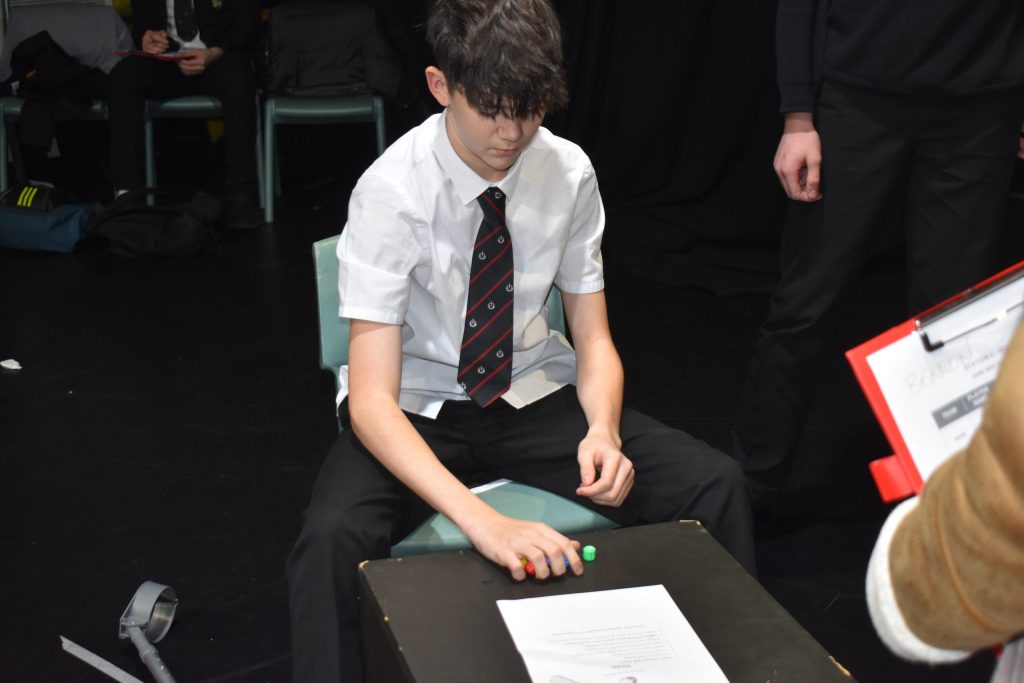
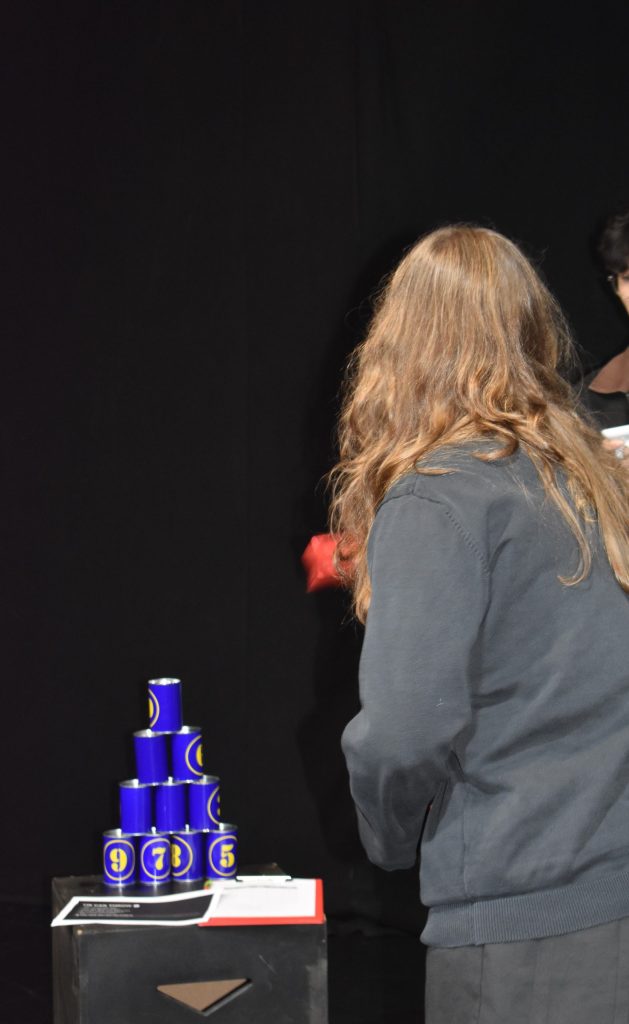
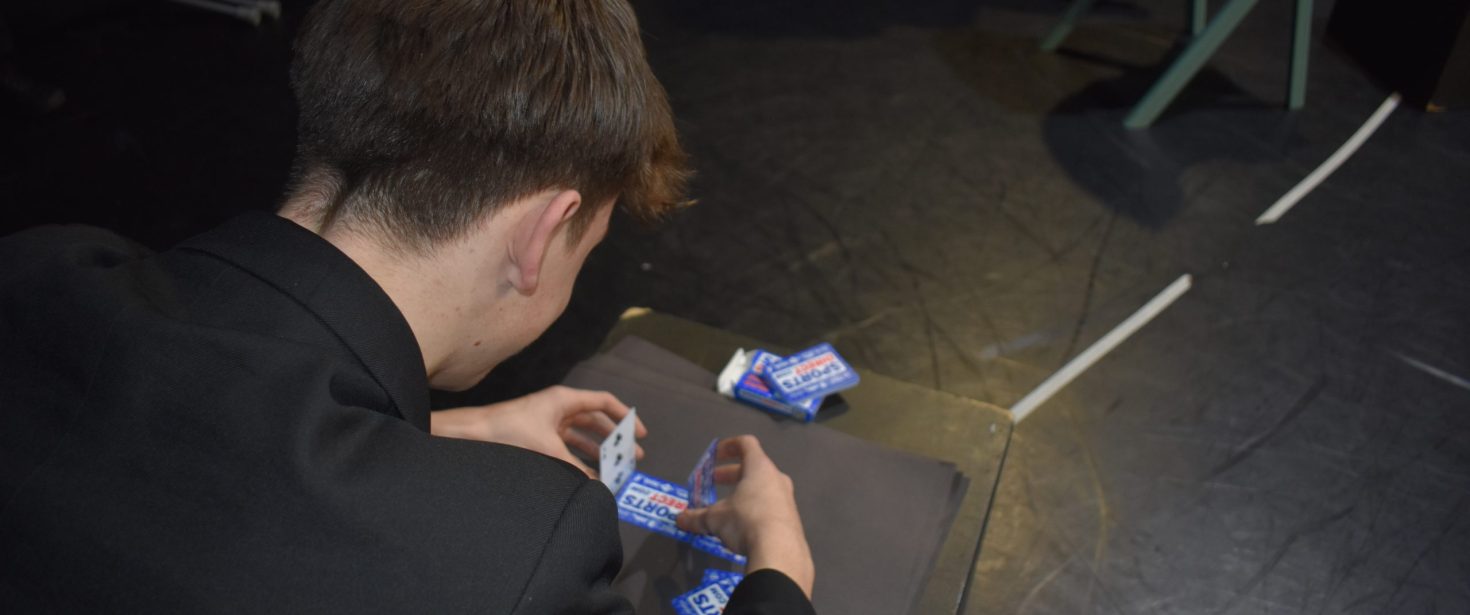
Students were randomly allocated into teams of four, then rotated through five game stations—Keepie Uppies, Gonggi (Korean stone game), Knock the Door, Spinner Challenge, and House of Cards. At each station, teams strategically selected one player to compete against the clock.
“The beauty of this activity is watching students grapple with real economic decision-making,” explained the Economics department. “Do they use their best player early or save them? Prioritise fairness or efficiency? They’re experiencing behavioural economics in action.”
The competition illuminated the tension between neoclassical economics, which assumes rational self-interest, and behavioural economics, which recognises that emotions and social pressure influence decisions. Students reflected on whether their choices were driven by logic or behavioural factors like loss aversion and competitive pressure.
The two fastest teams advanced to a dramatic Ddakji (Korean paper tile game) championship final.
“This experiential approach helps students understand that real people make decisions based on both rational calculation and human emotion,” noted the teaching team. “That’s what makes economics fascinating.”
The initiative demonstrates Year 11’s commitment to innovative pedagogy that prepares students for GCSE success and real-world understanding.