At Myton, we recognise the importance of developing communication skills of reading, writing and oracy, which is underpinned by improving vocabulary. These skills are crucial in enabling students to be engaged in the world around them and to be successful and employable members of society. All staff are responsible for developing communication skills, regardless of subject. All staff are responsible for Spelling, Punctuation and Grammar (SPaG) skills, as technical accuracy is important.
Key Staff
Mrs Nicola Ealden: Director of Literacy, email: [email protected]
What we do at Myton to support communication skills
Bedrock Vocabulary
In Years 7-8, students follow an online programme called Bedrock Vocabulary that helps students learn important academic vocabulary to support them in making excellent progress at school and further education. As students progress through the Bedrock Vocabulary curriculum, they will study hundreds of very important words, whilst reading fiction and non-fiction texts regularly.
Students will complete one Bedrock lesson a fortnight in the LRC and they are required to complete one lesson a week for homework.
Please encourage your child to do Bedrock vocabulary exercises at home to help boost their vocabulary.
If your child doesn’t have access to the internet at home, they can use the computer suite in the LRC to do their Bedrock Vocabulary homework before or after school and during break or lunch.
Reading
At Myton we believe in providing opportunities for students to read widely. As such, we offer the following:
- Lessons on using the library and study skills in Year 7 and 8
- Reading and Vocabulary form time program in Years 7 & 8
- Regular class reading time in form time with tutors
- Reading and study skills support in sixth form tutor time
- Reading a diverse and wide-ranging selection of texts in English lessons.
- Testing reading ages of students and providing help and support for those students who need to catch up
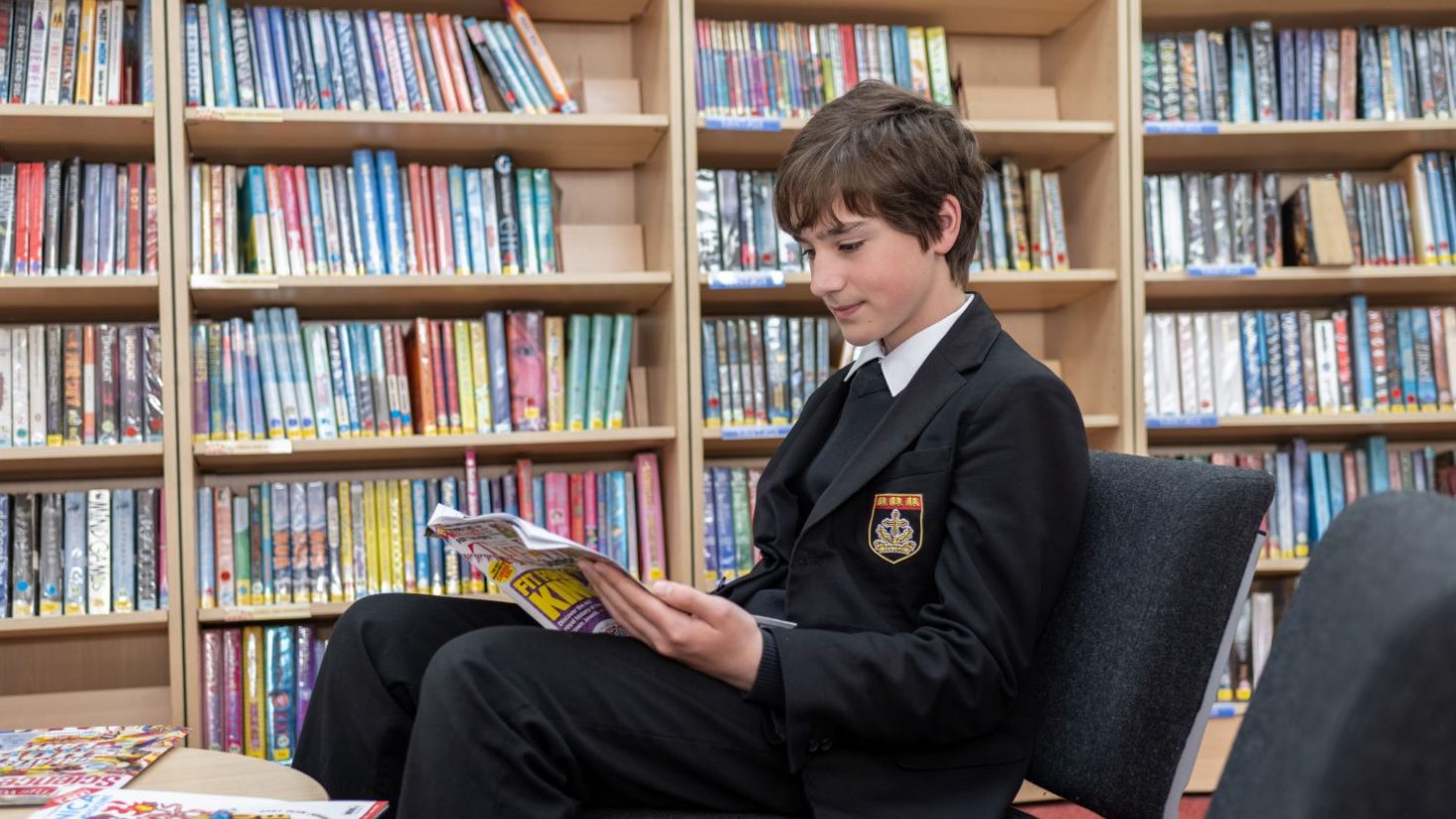
- A very well stocked Library (Learning Resource Centre), with 2 Librarians and a wide selection of fiction, non-fiction and Hi-Lo books (books with a low reading age but designed for older readers interests.)
Across The Curriculum
In subject areas, departments use a range of strategies to support the development of communication skills. These include the use of modelling good work, sharing success criteria, sentence starters, teachers reading aloud to the class, word banks, unit overviews and pupil-friendly resources designed to support subject specific learning, including key words and paragraph structures that support exam preparation.
All of our curriculum staff are helping children to develop their Tier 2 vocabulary skills. Tier 1 words are everyday spoken words; Tier 3 words are the more technical, subject-specific terminology; Tier 2 are more formal, academic words that help us articulate ourselves better and understand texts at a deeper level. Our aim is to create a word rich school community where vocabulary is explicitly taught across the subjects.
Making Literacy fun!
As a school we aim to make literacy fun and try to enthuse students in activities that enhance their love of words. A few of the activities we have run over the last few years are:
-
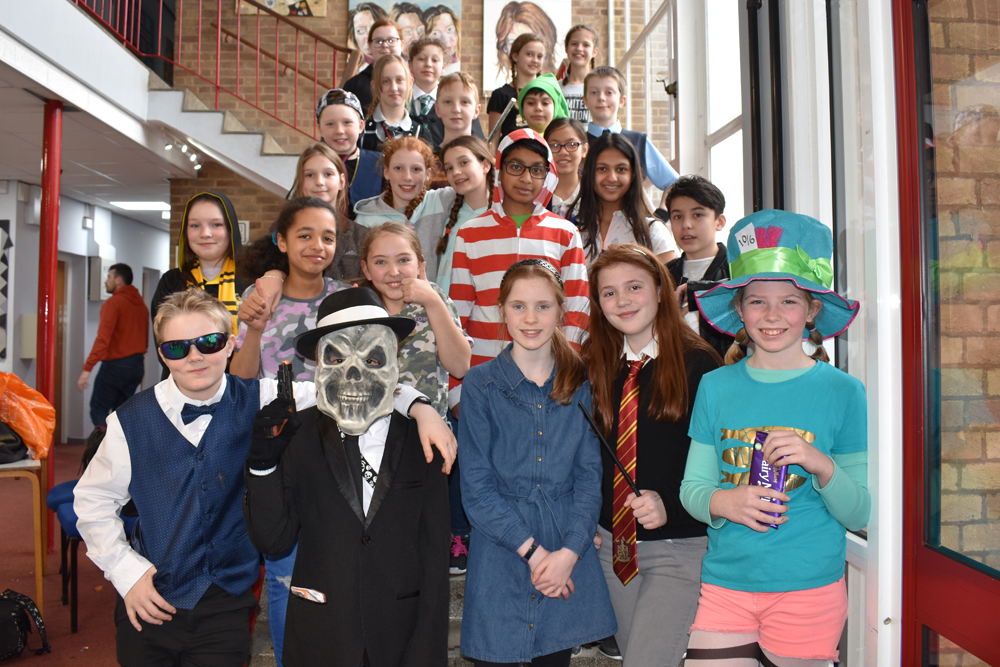
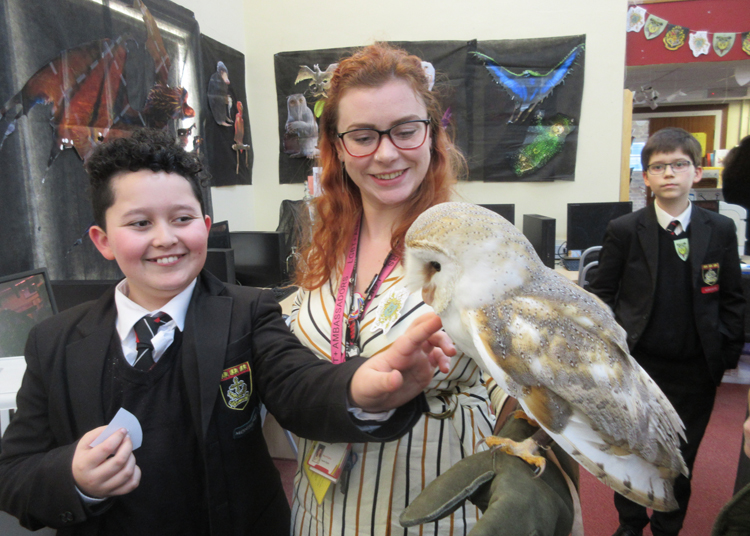
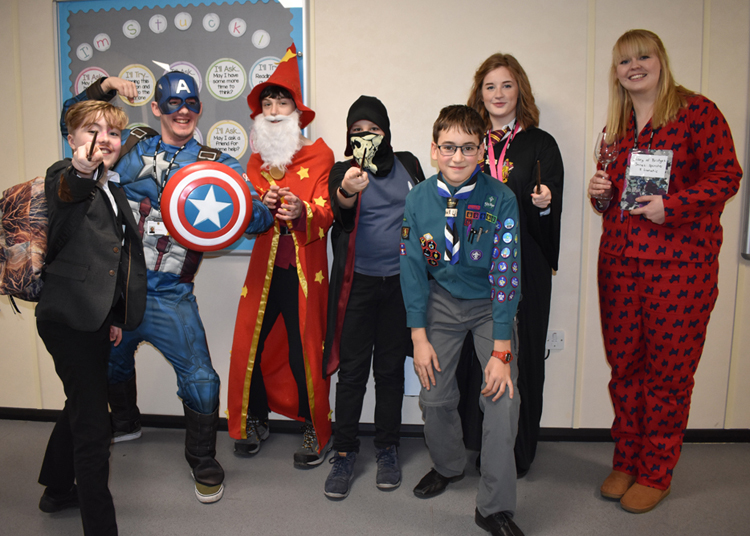
- World Book Day events
- Weekly free book giveaways
- Creative Writing Club and Reading Club
- Blind Date with a Book
- Author visits
- Carnegie Book Award/ Warwickshire SLS Secondary and Teen Book Awards
- Theatre trips, including links with the Royal Shakespeare Company
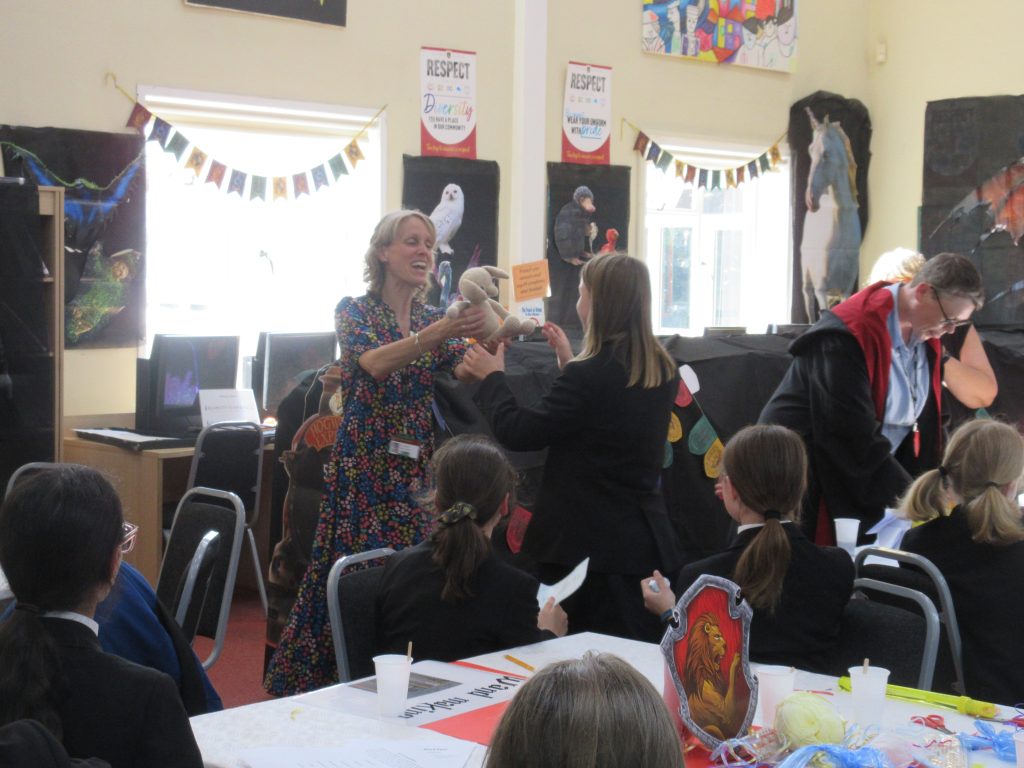
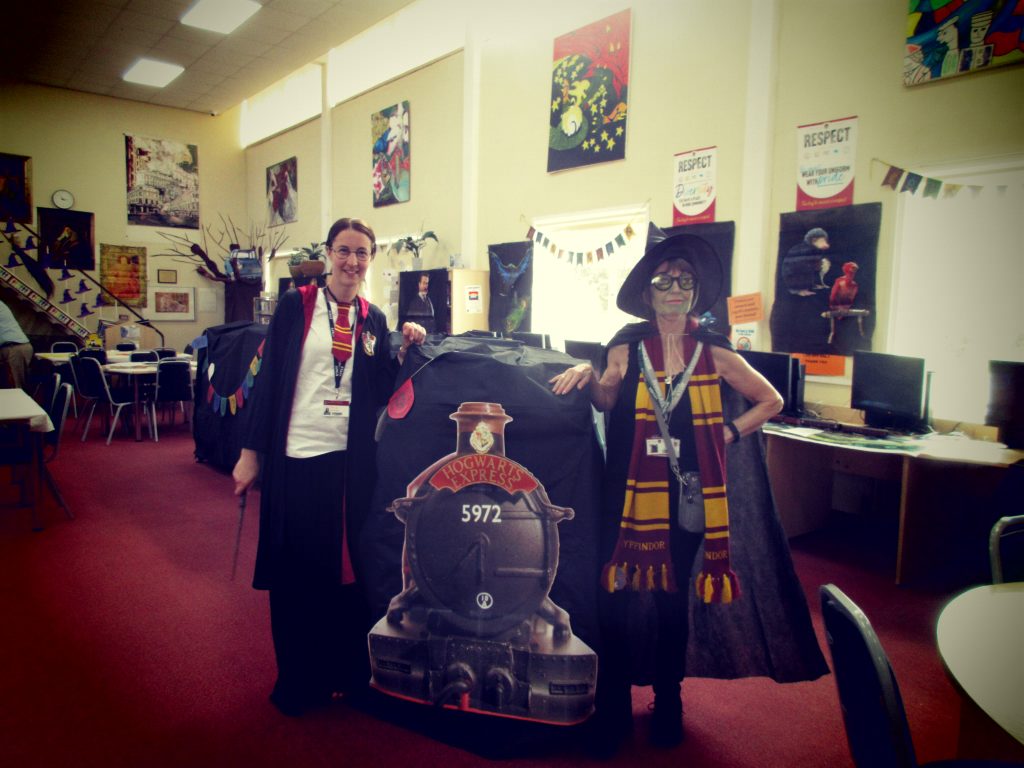
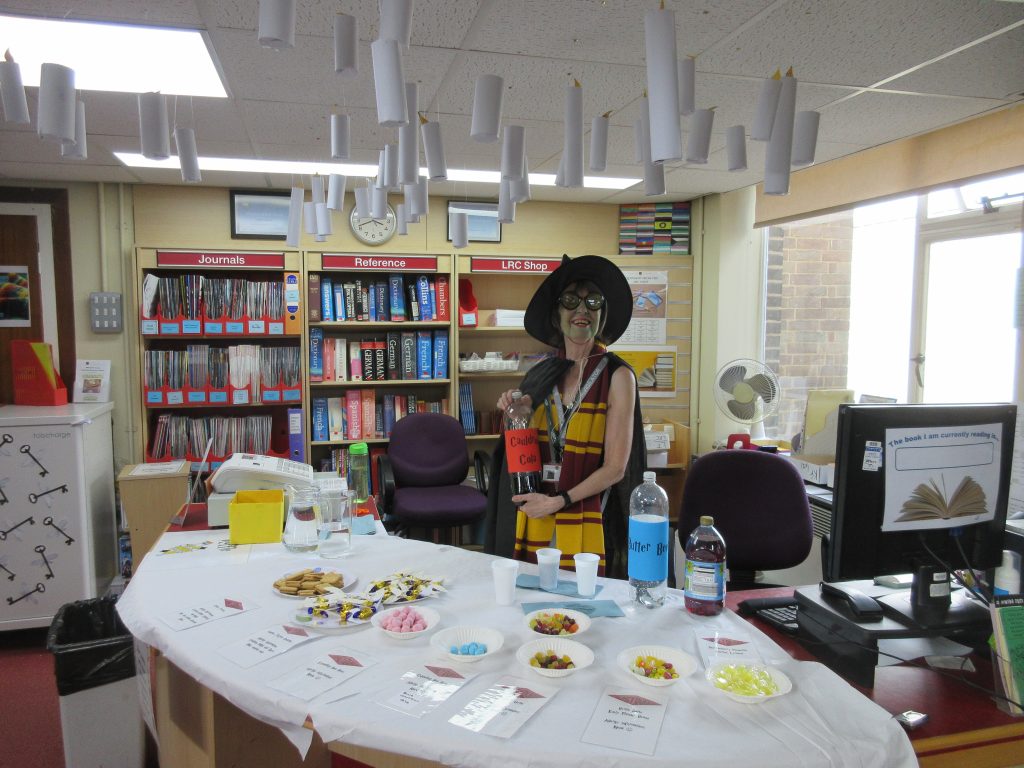
- Harry Potter Event
Year 7 Reading Challenge
Year 7 and 8 students are challenged to extend their reading! Further information about the challenge can be found here.
Literacy Interventions
Some of our students will need extra support with their literacy. We work hard to identify those children with literacy barriers as soon as they start Myton (we even work with Primary Schools before they start.) We also have a robust referral system for staff who may have concerns about a child’s Literacy at any point during their school career.
All staff and classroom support staff are given guidance on how to support children with Literacy difficulties in their lessons.
We have a suite of tests, data and screeners that we can use to help identify the specific literacy difficulty a child may have and then we can offer the most targeted intervention and support that is appropriate. Children at Myton may be offered the following range of interventions:
- EAL support
- Nessy or TTRS (Touch-Type, Read, Spell) program for Dyslexia or spelling specific difficulties
- Reading Mentor
- 6-week Handwriting course
- 6-week Touch-typing course
- Fresh Start (phonics and comprehension)
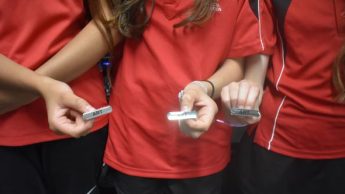
- Reading Pens
Oracy
In all years pupils should have opportunities to:
- Speak confidently and effectively out loud
- Use Standard English confidently in a range of formal and informal contexts, including classroom discussion
- Be able to articulate themselves effectively through their extensive vocabulary instruction
- Give short speeches and presentations, expressing their own ideas and keeping to the point
- Participate in formal debates and structured discussions, summarising and/or building on what has been said
- Improvise, rehearse and perform play scripts and poetry in order to generate language and discuss language use and meaning, using role, intonation, tone, volume, mood, silence, stillness and action to add impact
What parents can do to support literacy at home
Here is how you can help support literacy learning at home:
Reading
- Continue to read aloud to your child
- Listen to your child read out loud
- Let your child see you reading.
- Discuss books, articles, websites, etc.
- Ask your child to recommend something to read.
- Visit the library and a bookshop.
- Buy a book as a gift.
- Read reviews before visiting places.
- Research authors online.
- Encourage your child to read for pleasure – whether they like magazines, newspapers, novels or comics.
- Turn off screens for periods of time!
- Read the book of a film, before watching the film adaptation, and discuss the differences.
Writing
- Find examples of good writing.
- Encourage your child to think about what their finished piece should include.
- Encourage your child to plan their ideas and research information.
- Ask your child who their audience is and what the purpose is of their piece of writing.
- Get your child to check the success criteria.
- Encourage your child to see the value in redrafting or redoing a piece of work, learning from their mistakes, and applying feedback they’ve been given.
- Ask your child to read to you writing that they are proud of.
- Encourage your child to check their work for spelling, punctuation, and grammar errors.
- Explore new words and where they come from.
- Look up new words, spellings of words or better words to use in dictionaries, thesaurus’ or online.
Speaking
- Ask your child what they have learnt after school each day. This will also help to consolidate what they have learnt.
- Discuss contemporary news and issues with your child.
- Encourage the big ‘WHY’ questions.
- Have debates.
- Ban the answer ‘just because’!
- Discuss the creativity and place for slang.
- Listen carefully.
- Reward effective persuasion.
- Start questions with ‘Who?’, ‘Where?’, ‘When?’, ‘How?’ and ‘What?’ avoiding YES / NO answers.
- Encourage speaking in full sentences so your child can develop ideas.
- Learn a new word with your child every day.