The National Literacy Trust survey of young people asked teenagers themselves to explain how reading fits (or not) into their lives during adolescence.
- Enjoyment does not always lead to regular reading. Many young people describe reading as enjoyable, exciting or interesting, but say they struggle to read regularly when time is limited or routines are disrupted.
- Time pressure and competing priorities shape reading habits. Young people frequently mention schoolwork, tiredness, and other activities as reasons why reading is harder to fit into everyday life as they get older.
- Make time as a family to read. Have switch off time – no phone, no TV, no gadgets. They may then be ‘forced’ to pick up a book!
- Choice and relevance matter. Young people are more likely to describe reading positively when they can choose what they read and when it reflects their interests, rather than being imposed or prescribed.
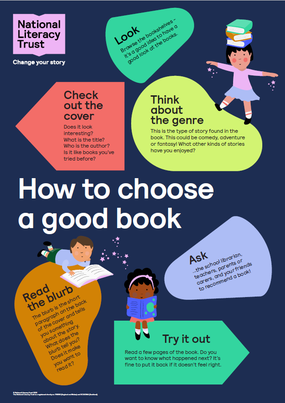
- Reading a book of a film or TV series they enjoy was listed as the biggest motivation to read for 40% of teenagers. Shortly followed by finding books that match their hobbies, liking the look of a book cover, recommendations form someone you know or social media.
- Reading takes different forms. Some young people, particularly boys, describe reading digitally or incidentally (such as through games, subtitles or online content) even when they do not identify as regular readers of books.
- Teenage boys’ comments provide particularly rich insight into these patterns. Many boys frequently describe valuing reading for learning and wellbeing, but also frame reading as something that depends on routine, time or usefulness, helping to explain why reading may continue to be valued but is more easily displaced when time, routine or structure are disrupted.